
Blog · November 9, 2026
Daycare Playground Upgrade Case Study in DFW
A daycare playground has to work harder than a backyard playset. It welcomes groups of children with different ages, abilities, energy levels, and play styles - often several…
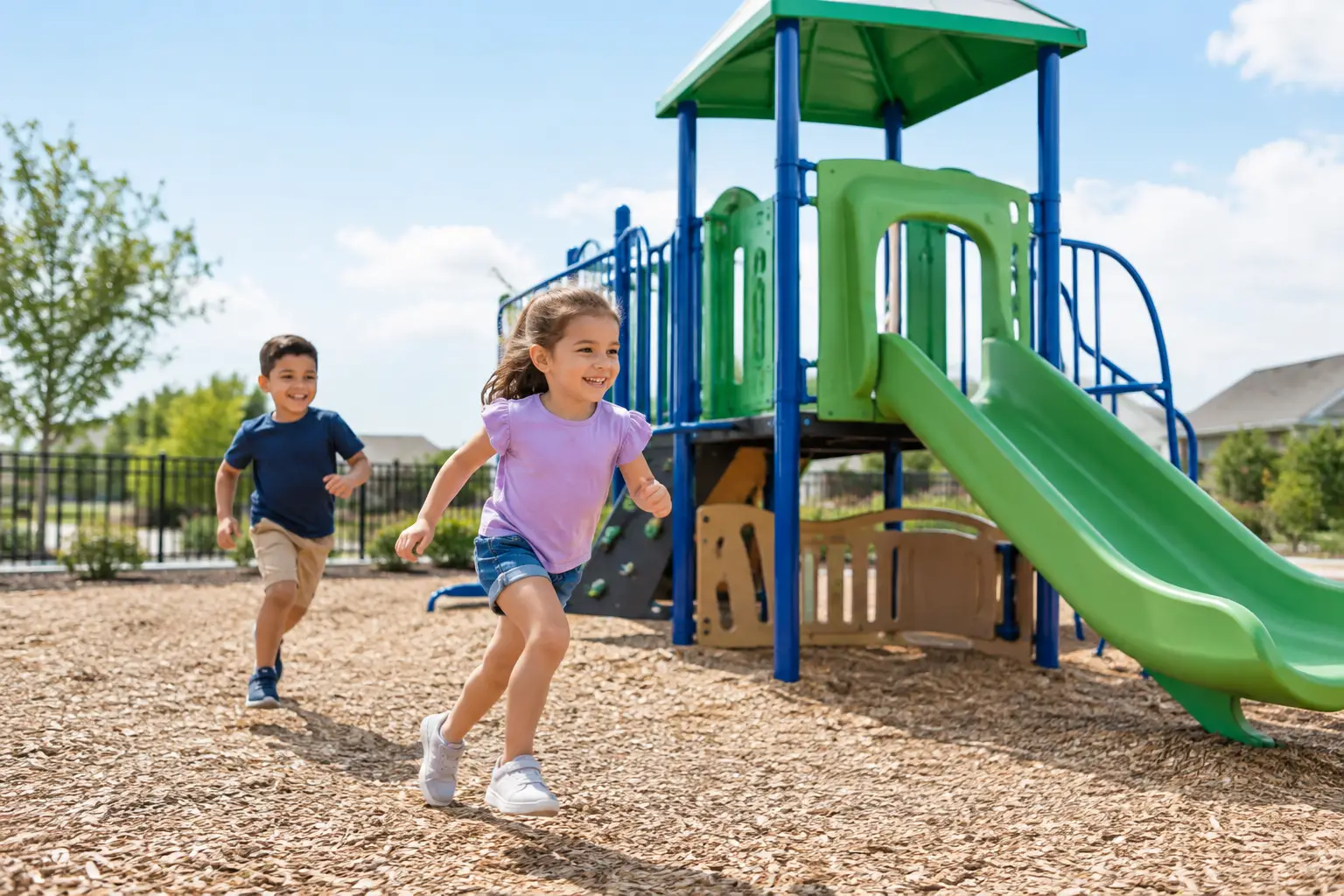
A daycare playground has to work harder than a backyard playset. It welcomes groups of children with different ages, abilities, energy levels, and play styles - often several times a day. This daycare playground upgrade case study follows a representative DFW child care center that needed to turn an aging outdoor area into a safer, more engaging space without creating a long closure for families.
The center’s goal was simple: give children more reasons to run outside, climb, imagine, and play big. The work behind that goal required careful decisions about layout, equipment, surfacing, installation, and the daily reality of operating a busy child care program.
The challenge: a playground children had outgrown
The center served toddlers through pre-K children and had a playground area with a small, weathered structure, compacted ground, and limited room for active play. The existing equipment still attracted children, but it did not offer enough variety to spread out a full class. That led to crowded climbing areas, waiting for turns, and teachers having to redirect children away from the busiest spots.
The ground was another concern. Bare, compacted soil can become muddy after rain and hard during long North Texas dry spells. It also takes more daily cleanup when children track dirt back into classrooms. The director wanted a surface plan that looked finished, supported safer play, and made the space easier for staff to manage.
Like many daycare leaders, she also had practical questions. Could the center upgrade the playground without guessing at the right equipment? How would delivery and assembly work around drop-off, nap schedules, and parent traffic? And how could the center make an investment that would keep serving children as enrollment changed?
Starting with the site, not the catalog
A successful commercial playground project begins with a site review. Before selecting towers, slides, swings, or climbers, the team measured the usable space, considered access for installation, and identified where children naturally gathered. They also looked at sun exposure, drainage, fencing, and how teachers would supervise the area.
This step shaped the entire plan. The biggest play structure could have filled the available footprint, but that would have reduced open space for trikes, games, and group activities. Instead, the design preserved a clear movement zone around the equipment and gave teachers better sightlines across the yard.
Age range mattered just as much. Toddlers need lower climbing challenges and accessible points of entry. Older preschoolers want more height, movement, and opportunities to test their coordination. A one-size-fits-all structure can leave one group underchallenged and another group overwhelmed. The upgrade needed distinct activities that could grow with the center’s children while still fitting the available supervision plan.
Choosing variety over one crowded feature
Rather than putting every activity into a single large tower, the center prioritized a balanced mix of play experiences. The final concept included climbing features, sliding opportunities, swings, and open areas that encouraged imaginative and social play.
That variety changed how children used the yard. A child who was not ready to climb could swing or play nearby. Children who wanted a physical challenge had more than one route to explore. Teachers saw fewer bottlenecks because play naturally spread across the space instead of collecting at one ladder or slide.
For a daycare, this is more than a convenience. When equipment offers choices, children can practice taking turns, solving small problems with friends, and building confidence at their own pace. The most exciting playground is not always the tallest one. It is the one that keeps more children actively involved.
The daycare playground upgrade case study: building a safer base
The equipment gets attention, but the ground beneath it is where the project became a complete upgrade. The center chose to add defined borders and a properly planned ground-material area around the play zone. Borders gave the playground a clean edge, helped contain the selected material, and created a more intentional transition between play space and the rest of the property.
Surfacing decisions depend on the equipment, the site, maintenance preferences, and the center’s budget. Some facilities prefer engineered wood fiber for its natural appearance and cushioning qualities. Others may consider rubber options or other commercial-grade solutions based on their needs. There is no single right answer, but the surface should be selected as part of the full playground plan, not as an afterthought.
The center also addressed drainage before the installation was complete. In DFW, a flat-looking yard can still collect water after a heavy storm. Planning the base and ground materials correctly helped reduce puddling and muddy traffic areas. That meant more usable outdoor time after rain and less mess returning indoors.
Installation with the school day in mind
A childcare center cannot treat installation like a typical home project. Children, staff, and parent vehicles all create a busy daily rhythm. The center scheduled the work around operating needs, separated the construction area from children, and communicated timing to families in advance.
Professional installation kept the project moving in an organized sequence: prepare the site, establish borders and ground materials, place equipment, assemble components, and complete a final inspection of the play area. That approach reduced the burden on staff, who could stay focused on caring for children instead of coordinating freight, deciphering assembly instructions, or managing multiple contractors.
Dallas Playset Company supports this kind of full-service process for DFW organizations, from selecting commercial playground equipment to installation, ground preparation, maintenance, and future moves or upgrades. For a center director, having one experienced local partner can make the project feel far more manageable.
What changed after the upgrade
The first visible change was the energy in the outdoor area. Children had more places to climb, swing, slide, and create their own games. Teachers were able to divide classes across different activities instead of constantly rotating children through one crowded structure.
The center also gained a playground that looked more polished to current and prospective families. Outdoor space is part of the parent experience. When a playground appears cared for, purposeful, and ready for active play, it reinforces the message that the center invests in children’s daily environment.
Operationally, the new layout made supervision easier. Clearer zones and open sightlines helped staff keep track of active play, while defined ground areas made cleanup more predictable. The center still needed routine inspections, raking or replenishing ground material when appropriate, and ongoing equipment care. A playground upgrade reduces headaches, but it does not eliminate the need for maintenance.
Lessons for daycare directors planning an upgrade
The strongest lesson from this project was that playground equipment should not be purchased in isolation. A great structure on poorly prepared ground or in a cramped layout will not deliver the same long-term value. The site, the surfacing, the age groups, and the installation plan all deserve attention from the beginning.
It also helps to plan for the children you will serve next year, not only the class currently on the roster. Enrollment may shift. A toddler program may grow, or a center may add pre-K classrooms. Choosing flexible, durable equipment with multiple play options gives the investment more staying power.
Finally, daycare leaders should consider ownership after installation day. Ask who will handle seasonal checks, hardware tightening, surfacing maintenance, repairs, and any future relocation. The right equipment matters, but dependable local support matters too.
A better playground is not just a nicer place to spend recess. It gives children a daily invitation to move, connect, take healthy risks, and come back inside with the kind of happy tiredness every great play day should bring.